
Motocross The Game Dual Rating Explained: Skill and Safety
How the Dual Rating System works in Motocross The Game: what Skill Rating and Safety Rating measure, how matchmaking uses them and how to raise both.
Motocross The Game uses two ratings: Skill Rating for pace and results, and Safety Rating for track etiquette. Clean, fast riders rise in both and get matched together. To raise Skill, finish well; to raise Safety, avoid contact and hold your line.
Most racing games use one rating. Win more, move up. Motocross The Game uses two, and that changes what "good" means.
The official description says the Dual Rating System tracks Skill Rating for pace and results, and Safety Rating for track etiquette, so clean, fast riders end up racing each other. It is a simple idea with a big effect on how races feel.
What Skill Rating measures
Skill Rating is your competitive pace. It goes up when you finish well and down when you finish poorly. The exact formula has not been published, but the official description links it to pace and results.
In practice, Skill Rating is the number that answers: how fast are you compared with other riders?
It is affected by:
- Finishing position.
- Race results over time.
- The strength of the riders you beat.
A win against strong riders is worth more than a win against weak riders. A loss against strong riders may cost less than a loss against weak riders. This is standard rating logic, but the game has not confirmed the details.
What Safety Rating measures
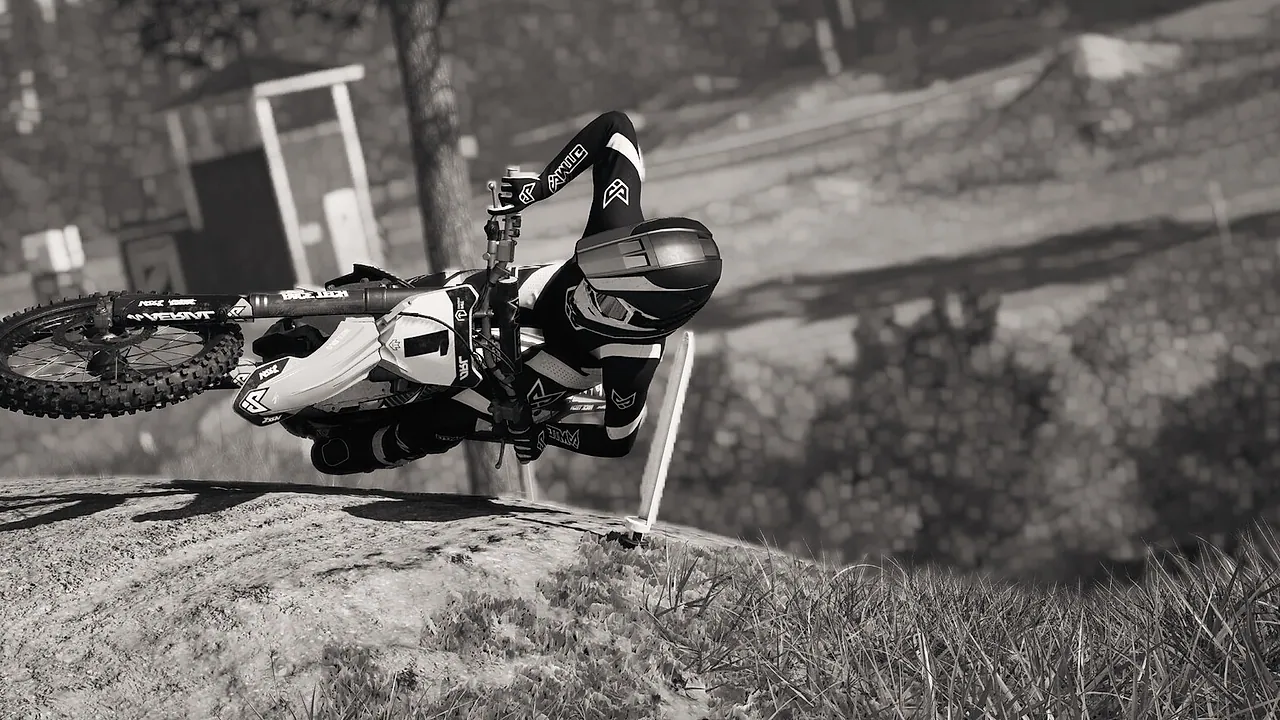
Safety Rating is your track etiquette. It goes up when you race clean and down when you cause contact.
The official description calls it a measure of track etiquette. In practice, it is the number that answers: would other riders want to race with you?
It is affected by:
- Collisions.
- Track cutting.
- Dangerous riding.
- Clean races over time.
The exact penalties have not been published. Expect contact to hurt more than a clean pass helps, because safety systems usually punish negative behaviour more heavily than they reward good behaviour.
Why two ratings are better than one
A single rating forces a trade-off. If you are fast but dirty, you climb the ladder and ruin races for clean riders. If you are clean but slow, you stay at the bottom.
Two ratings separate the two qualities. A fast, dirty rider has a high Skill Rating and a low Safety Rating. A slow, clean rider has a low Skill Rating and a high Safety Rating. A fast, clean rider has both.
The matchmaking goal is to put clean, fast riders together. That should make races cleaner as you climb, not just faster.

How to raise your Skill Rating
Finish races. A DNF is worse than a bad finish. If you crash, rejoin and finish.
Qualify well. A good start and a clean first lap put you in a better group.
Race within your limits. A crash costs more than a safe pass.
Learn the tracks. Track knowledge is free pace. Ten time attack laps before a race night will improve your results.
Use the right bike. The 250F is more forgiving in traffic; the 450F is faster but easier to spin.
How to raise your Safety Rating
Hold your line. When a rider is passing, do not change direction. Predictability prevents contact.
Give room at the first corner. The first corner is where most collisions happen. Brake earlier and take the outside if the inside is crowded.
Do not brake-check. If you brake earlier than the rider behind expects, they will hit you. Brake at your normal marker.
Do not cut the track. Cutting is a safety issue and usually a penalty.
Rejoin safely. If you crash, wait for a gap before you rejoin.
Avoid revenge. If someone takes you out, do not take them out back. Report it or move on.
The matchmaking effect
The official description says clean, fast riders end up racing each other. That is the promise of the Dual Rating System. In practice, it means your ratings are a matchmaking signal, not just a scoreboard.
If your races are chaotic, your Safety Rating may be low. If your races are clean but slow, your Skill Rating may be low. The system is trying to find the group where you belong.
Give it time. Ratings need races to calibrate. Ten races is a reasonable sample; one bad race is not a trend.
Ratings and time attack
Time attack contributes to your career profile, including world records, podiums and pace index. It does not replace the Dual Rating, which is built around races.
Use time attack to prepare for races. A rider who can run a clean solo lap has the tools to run a clean race lap. But a rider who only runs solo laps will not learn racecraft.
A clean-race checklist
Before you queue:
- Practise the track for ten laps.
- Warm up with two laps.
- Check your setup.
- Decide your first-corner plan.
- Turn off chat if it tilts you.
During the race:
- Hold your line.
- Brake at your normal marker.
- Give room at the first corner.
- Pass on the exit, not the entry.
- Rejoin safely after a crash.
After the race:
- Review the incident.
- Apologise if you caused contact.
- Queue again when you are calm.
Common rating mistakes
Thinking Safety Rating is a punishment. It is a matchmaking tool. A high Safety Rating gives you cleaner races.
Grinding races while tilted. You will crash more and hurt both ratings.
Ignoring the first corner. Most contact happens there. Give room.
Blaming the system. Ratings need time to calibrate. Ten races is a sample.
Chasing Skill Rating with dirty driving. You may climb, but you will be matched with dirty riders.
For the next step, the online multiplayer guide→ covers the related inputs in more detail.
FAQ
What is Skill Rating in Motocross The Game? A rating for pace and results. It rises when you finish well and falls when you finish poorly.
What is Safety Rating? A rating for track etiquette. It rises with clean racing and falls with collisions and dangerous riding.
Can I see my ratings? The game has a career profile with records, podiums, pace index and clean runs. The exact rating display is in-game.
Do private lobbies affect my rating? The official material does not state whether private lobbies are rated. Assume ranked matchmaking is the main input.
How long does it take to raise Safety Rating? Ratings need races to calibrate. Give it ten clean races before you judge.
Sources
Official source: Steam store description and official about page, checked November 10, 2026. Rating formulas and private-lobby rules are not published.